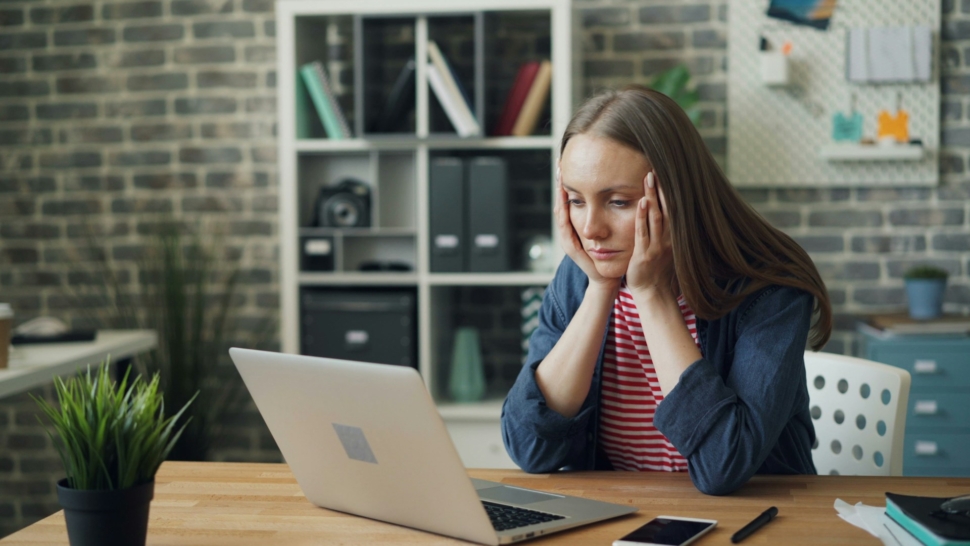
At the end of an ordinary day, no problem has come up, yet your eyes feel gritty and tired. There was no single event to blame. Eye strain usually builds from small habits that repeat all day, such as a long stretch at a screen, a dim room, or a pair of glasses that no longer suit you. The good news is that most of these habits are easy to change. This guide walks through the common ones, from screens and glasses to heaters and late nights, and gives simple fixes for each. Take the ideas that fit your day, and try one this week. Think of this as a checklist for your eyes. You do not need to fix every habit, so pick the ones that match your day. Most of the fixes are free, and each one takes less than a minute.
Why Eye Strain Builds Up Quietly
Small habits repeat all day
Each habit seems harmless on its own. You check your phone, you work at a screen, you sit in a warm room, and you think no more about it. But hundreds of small repeats add up by the end of the day. A glance at the phone twenty times an hour is a lot of close focus. A dry room for eight hours is a lot of dryness. Seen this way, tired eyes at the end of the day are not a mystery. It is the sum of many small habits, and each one has a simple fix. A simple way to see this is to count your habits for one hour. Note how often you look at a screen, how long you sit in one position, and how often you look into the distance. Most people are surprised by the total. This is also why quick fixes work so well. A change that saves you a few seconds each hour can add up to many minutes of rest by the end of the week. Small habits can work for you as well as against you, and that is a hopeful way to look at it.
Tired eyes get ignored
Most people see sore eyes as a normal part of the day. They rub their eyes, sigh, and carry on. That is understandable, because the discomfort passes after a good night of sleep. But a problem that returns every day is worth a closer look. Once you spot the cause, a few simple fixes are easy to put in place, and they cost very little. The next sections go through the usual causes, one by one. Ask yourself when your eyes feel worse, and what you did in the hour before. The answer often points to one habit that you can fix first. A friend or a partner can also spot habits that you do not notice, such as a squint at your phone. Do not feel guilty about it. Most of us were never taught how to care for our eyes, and we learn by trial and error. A little knowledge goes a long way, and you can start with the habit that costs you the least effort.
Habits at the Screen
Long sessions without a break
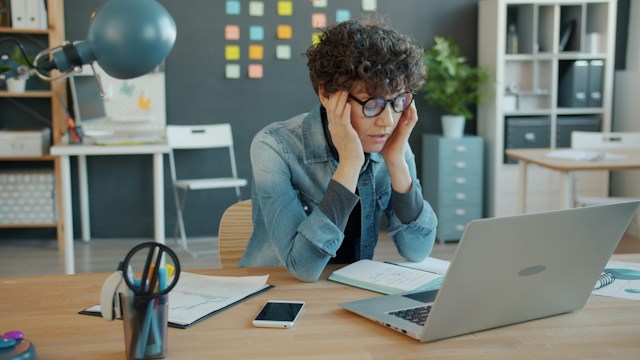
The American Academy of Ophthalmology explains that we blink less when we look at screens, which dries the eyes. A long session without a break makes it worse, because your eyes stay focused on one close point for hours, and tired, dry eyes can turn into red eyes by the end of the day. Take a short break often. Look at a far point for 20 seconds every 20 minutes, and blink a few times. A phone timer or a repeat reminder keeps the habit on track. If your eyes still feel dry, the AAO suggests artificial tears, so ask a pharmacist or optician which drops suit you. Set the timer to start when you sit down, so the first break comes before the strain builds. Use each break to stand up, stretch, and look out of a window. Even twenty seconds gives your eyes a rest, and the habit costs you almost no time. If you work at a desk, build the break into the day, for example at the end of each batch of emails or each call. If you study for long periods, change the task, and look away from the page often. Variety is a break in itself, because it changes how your eyes work.
A screen that is too bright or too close
A screen that is much brighter than the room makes your eyes work harder, and so does a screen that is too close. Match the brightness to the room, and lower it in a dim space. Keep the screen at a comfortable distance, about an arm’s length for a computer, with the top of the screen near eye level. Raise the text size if you lean in to read it. Small changes to the screen settings are free, and they help your eyes within minutes. If the screen looks like a light box in a dark room, it is too bright, and if the background looks grey in a bright room, it may be too dim. A screen that is easy to read without effort is about right. Check the settings again when the seasons change and the light in your room changes. A laptop on a stand with a separate keyboard puts the screen at a better height and distance. If you use a phone for long periods, hold it at a comfortable distance and not close to your face. Both changes take pressure off your eyes and your neck.
Phone use in the dark
A bright screen in a dark room is harder on the eyes, because the contrast between the screen and the room is sharp, and a late session can leave you with tired, red eyes the next day. Keep a soft light on, and hold the phone a little further away from your face. Lower the brightness and switch to a warm colour mode at night. If you read in bed for a long time, try a book with a small lamp instead. Your eyes will feel the difference by the next day. If you must use your phone in bed, prop it at a comfortable distance and do not hold it close to your face. Put it away when your eyes start to feel heavy, because that is a sign of tiredness. A paper book needs no screen at all, and it can be a calm way to end the day. Many phones have a night or bedtime mode that you can set to turn on at a fixed time. Try it for a week, and see whether your eyes feel better the next day.
Habits With Your Glasses and Lenses
An out-of-date prescription
Your eyes can change over time, and an old prescription makes them work harder to focus. Squints and headaches after a short task can be a sign that it is time for a test. Book a test as often as your optician advises, and tell them about any changes in how you see. Do not wait until the glasses are broken or the problem is bad. A new prescription often brings a clear improvement in comfort, and it protects your eyes from needless strain. Sight can change slowly, so you may not notice the change from one month to the next. Many people only see the difference when they try a new pair. Make the test a fixed date in your year, such as your birthday, so it does not slip. Tell your optician about the tasks that you do most, such as long drives or screen work, because the best prescription depends on your day. If you use glasses for close work and for distance, ask whether one pair or two would suit you.
Glasses that do not fit or are not clean
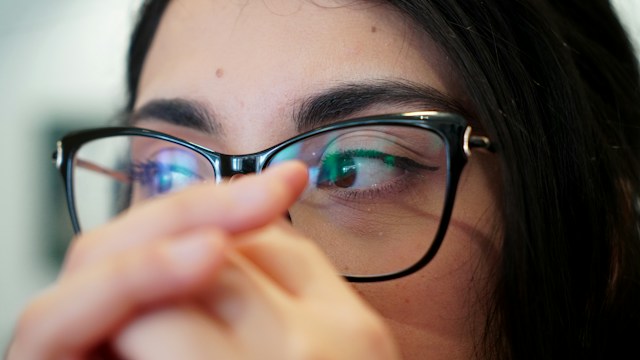
Smudged lenses and frames that slide make your eyes work harder. Clean your lenses with a microfibre cloth every day, not with the corner of your shirt, which can leave marks. If your frames slip down your nose or press on your ears, ask your optician to adjust them. A quick clean and a fit check fix both problems. Keep a spare cloth in your bag and one at your desk, so you can wipe your lenses whenever they smear. Frames that sit crooked can also change how you see through the lens, so check them in a mirror. Replace worn nose pads, and ask your optician to tighten loose screws. A hard case protects your glasses in a bag, and a soft pouch is better than a loose pocket. Scratched lenses scatter light and can make glare worse, so replace them when the scratches get in the way. A good routine for your glasses saves you money and strain.
Contact lenses as one option
Many people find that budget friendly contact lenses are a comfortable choice for daily life, because they leave your face free and give you a clear view in every direction. Lenses need good habits, and the first is hand care. Look After Your Eyes, the College of Optometrists’ patient site, advises you to wash and dry your hands before you touch your lenses. It also advises you to take your lenses out before you go to bed, unless your optometrist has told you that you can sleep in them, and it recommends back-up glasses. Dry rooms and long screen sessions can bother some wearers, so keep your glasses to hand, and give your eyes a rest when they feel tired. Your optician can check the fit and suggest a type that suits your day. Try lenses on a quiet day first, so you know how they feel before a long one. Keep your lens case and solution in the same place each day, and follow the wear schedule that your optician gives you. If you are new to lenses, ask your optician for a trial and a lesson on how to put them in and take them out. Take your time, and ask questions until you feel confident. A good start sets you up for comfortable years of wear. The NHS says to ask for an urgent GP appointment or get help from NHS 111 if you have a red eye and wear contact lenses, because you could have an eye infection.

Habits in Heated and Air-Conditioned Rooms
Dry air from vents and heaters
Dry air can leave your eyes sore and tired. The NHS says that dry eyes are more likely if you spend time in air-conditioned or heated environments, and many homes and offices are exactly that for most of the winter. Point the vents away from your face, and move your desk if a heater blows on you. Take short breaks away from the screen, and drink water throughout the day. A small change to the air around you can ease the strain on your eyes. Keep a bottle of water on your desk, so a sip is always at hand. Open a window for a few minutes when you can, to let in fresh air, and step outside at lunch. If your office has an air vent over your desk, ask a colleague or the facilities team about a change of seat. Most people will help with a simple request.
Poor light
Dim light and glare both make your eyes work harder. A dim room forces your eyes to strain for detail, and a bright window behind your screen creates glare. Use a soft lamp near your screen, and a blind or a curtain to cut the glare from a bright window. Place the screen side-on to a window, not in front of it or behind it. Good light is easy to arrange, and it costs very little. Light that comes from behind your screen is harder on the eyes than light that comes from the side. If you cannot move your desk, use a screen hood or an anti-glare cover to cut reflections. Check the room at different times of day, because the light changes. Use a warm, soft bulb in the lamp that you read by, and avoid a bare bulb that shines in your eyes. A lamp that lights the page, not your face, is kinder to your eyes. At night, dim the lights a little as the hours pass, so your eyes and your body slow down.
Tired eyes that you rub
A rub can feel good for a moment, but it can irritate tired eyes, so try a rest instead. Close your eyes for a minute, blink slowly, and look at a far point. The NHS says that a pharmacist may be able to help with dry eyes, and can tell you what you can do yourself and whether eyedrops, gels, or ointments might help. Wash your hands before you touch your eyes, and keep your nails short. If the soreness returns every day, book a visit to your optician. A cool, clean cloth held on closed eyes for a minute can feel calm and cool. Stop if it hurts, and ask for advice if the discomfort lasts. Drink some water, and check that the room is not too dry. Look away from the screen, and let your eyes relax for a few slow breaths. These small steps help more than a rub.
Habits Outdoors
No sunglasses outside
Bright light tires the eyes on sunny days, and the winter sun can be harsh when it sits low. Wear sunglasses when you are outside, and choose a pair that carries the CE mark and the British Standard mark, as the NHS advises. Keep a pair in your bag or your coat, so you do not leave them at home. A good pair is a small cost for the comfort that it gives your eyes all year. Make it a habit to put your sunglasses on as you leave the house, in the same way that you pick up your keys. If you drive, keep a second pair in the car. A habit that you build now will serve you for many years. Choose a style that you like, because you will wear it more often. A pair that fits well, with no slip or pinch, is easy to forget on your face. Clean the lenses now and then, because smears add to glare.
Wind and cold
Wind and cold can dry the eyes and make them water. Watery eyes in the cold are common, and they can mean that your eyes are irritated. Wraparound sunglasses keep wind and grit out, and they help on a bike or on a windy walk. A hat with a brim shields your eyes from glare and rain. Warm up indoors, and give your eyes a rest. On a bike or a run in the cold, the wind on your eyes can be strong. Wraparound styles or sports glasses give the best cover. After you come inside, give your eyes a few minutes to settle before you start work at a screen. If your eyes still feel dry after a windy day, a few drops, as your pharmacist suggests, can help. Do not rub your eyes when you come in, and let the cold air clear from your face first.
Habits at Night
Screens late at night
The NHS suggests that you try not to use phones, tablets or computers for an hour before bed, because the blue light from screens can make it harder to fall asleep. The American Academy of Ophthalmology also suggests night mode at night, which lowers screen brightness and uses warmer colours, and it advises you to avoid screens for 1 to 2 hours before sleep. Switch to a book, a podcast, or a quiet activity. Your eyes and your sleep both benefit. Many people find it hard to stop, so make it easy. Charge your phone in another room, or use a basic alarm clock. A set time for the last look at your screen, such as an hour before bed, often becomes a habit within a couple of weeks. If you cannot avoid a late screen, use night mode, lower the brightness, and keep the screen away from your face. A short break every 20 minutes still helps at night. Plan the late task for earlier in the day when you can.
Too little sleep
Tired eyes need rest as much as tired legs do. A short night leaves your eyes dry and sore the next day, and it makes every other habit harder to bear. A regular sleep routine helps your eyes recover. Go to bed and get up at similar times each day, and keep your room dark and calm. If you cannot sleep, do not turn to a screen. A few quiet minutes with a book work better. After a short night, go easy on screens the next day, and take extra breaks. A short walk in daylight at lunch helps you feel more awake. Plan an earlier night to catch up, and do not rely on caffeine late in the day. Sleep gives your eyes a long rest from close focus and bright light. Aim for the amount of sleep that leaves you alert the next day, and talk to your doctor if you struggle to sleep for weeks.
Small Changes That Make a Difference
Pick one habit at a time
One change is easier to keep than five. Start with the habit that annoys you most, such as long screen sessions or a bright window behind your screen, and fix that one first. Give it a week before you add another. A small win builds confidence, and the next change feels easier. Do not aim for a perfect day. Aim for a slightly better one. Write the habit on a note, and put it where you will see it. Check in with yourself after a week to see how it went. If it did not stick, change the plan, not the goal. A smaller step, such as one break an hour, is easier to keep than a long list. Celebrate small wins, such as a week of regular breaks, with a small treat that is not a screen. A walk in the park or a call with a friend makes a good reward. Rewards help a habit stick, and they make the process more fun.
Use reminders and cues
A phone timer or a sticky note keeps a habit on track. Tie a break to a task, such as a refill of your water bottle or a call, so you do not need to remember it. Put a note on your screen, or set an alarm for every 20 minutes of work. Link the new habit to one that you already have, and it sticks faster. After a few weeks, the habit feels natural. Ask a friend or a colleague to join you, because a shared habit is easier to keep. Many people like to use a free app that sends a reminder every 20 minutes. Choose what suits you, and drop what does not. Keep your reminders kind and short, such as ‘look far away’ or ‘blink and sip’. A friendly note is easier to follow than a stern one. If a reminder starts to annoy you, change the words or the time, and keep the habit.
Notice how your eyes feel
A short note each day shows what helps. Write down when your eyes feel tired, and what you did before. After a week, a pattern appears, such as sore eyes after a long call or dry eyes in a heated room. Share the pattern with your optician, because it gives them a clear picture of your day. A simple record turns a vague complaint into useful advice. Rate your eyes from one to five at the end of each day, and note the main task of the day. In a week or two, you will see which days are hardest. Take the note to your optician, and ask what they suggest for those days. Add a line about the light, the room, and the task, so that you can compare days. Over a month, the notes show which fix works best for you. Keep the notes short, or you will give up on them.
When to See an Optician
Signs that need a check
Sore, red, or dry eyes that do not improve, headaches, or blurred sight are signs that it is time for a check. After an eye injury, the NHS says to go to A&E or call 999 if there are any changes to your sight, severe pain, a headache or sensitivity to light, or if you cannot move your eye or keep it open. For a sudden change in sight without an injury, get urgent advice from your optician, your GP, or NHS 111. Do not wait for a routine test. The NHS also says to ask for urgent advice if your eye is painful and red. Trust your own sense of what is normal for you. If your eyes feel different from usual, or the change worries you, book a check. A quick visit gives peace of mind, and it is better to ask early than to wait and worry. Do not be shy: book a visit. A short question costs little, and a check can put your mind at rest. If you are not sure whether a sign is serious, ask your optician or pharmacist for advice.
Book regular tests
Book a test as often as your optician advises. Tell them about your habits and your screen hours, so they can suggest fixes that suit your day. Take your glasses, your sunglasses, and your lenses to the test. A regular test checks your prescription and the health of your eyes, and it can catch small changes early. Put the date in your calendar before you leave. Ask your optician when your next test is due before you leave. Some practices send a reminder by text or email, so check that they have your details. Keep a copy of your prescription, so you have it to hand when you need new glasses or lenses. Take a short list of questions, such as whether your habits suit your prescription, and write down the answers. Ask what to watch for before your next visit. A well-informed patient gets the most from a short appointment.
The Bottom Line
Eye strain rarely comes from one big mistake. It comes from small habits that repeat all day, and the same is true of the fix. A break from the screen, a softer light, a clean pair of glasses, a pair of sunglasses by the door, and a calmer night all help. Pick one habit this week, and give it a fair try. Add another when the first feels easy. Your eyes work hard for you every day, and a little care in return makes a real difference to how you feel. You do not need special equipment or a big budget. Most of the fixes in this guide are free, and they take only a minute. Share the best tips with friends and family who spend long hours at a screen, because small habits spread easily. Be kind to yourself as you try these ideas. A good habit is built one day at a time, and a missed day is not a failure. Start again the next day, and your eyes will thank you.