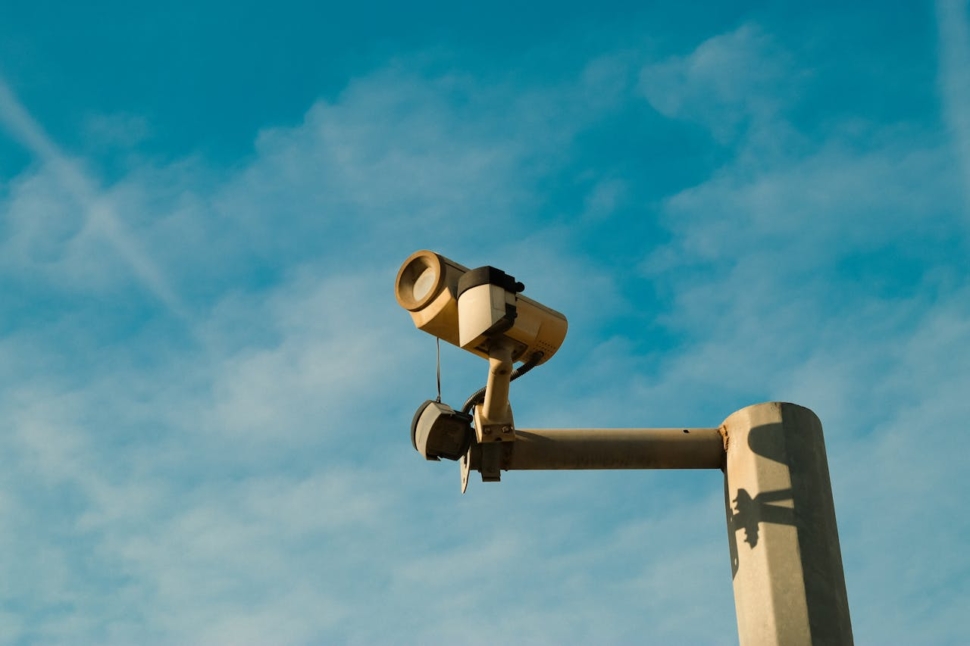
The transportation industry is evolving rapidly thanks to digital monitoring technologies. From freight trucks on highways to delivery vans in cities, digital systems now collect and analyse real-time data, helping companies operate more efficiently, safely, and sustainably.
Read on to discover that as demand for faster delivery and better service grows, digital monitoring is no longer a luxury; it’s becoming essential for businesses that want to stay competitive in a fast-paced world.
What Digital Monitoring Means for Transportation
Digital monitoring refers to the use of sensors, connected devices, and software platforms to track vehicles and assets throughout their journeys. This technology captures everything from vehicle location and speed to engine health and driver behaviour. By transforming raw data into meaningful insights, transportation managers can make smarter decisions day after day.
One cornerstone of this revolution is telematics. Telematics systems integrate GPS tracking with onboard diagnostics to give companies a detailed view of their fleets in action. These tools shine a light into areas that were once invisible, opening up new possibilities for optimisation.
Improving Efficiency and Reducing Costs
Transportation companies have traditionally relied on manual processes and reactive decision-making. With digital monitoring, that paradigm has shifted. Real-time tracking allows fleet managers to identify inefficiencies like unexpected delays, unnecessary idling, or inefficient routing. By analysing this data, companies can adjust routes on the fly to avoid traffic, reduce fuel consumption, and deliver goods faster.
For example, predictive maintenance alerts can warn a fleet operator that a vehicle’s brakes or engine are likely to fail soon. Instead of waiting for a breakdown that causes downtime and expensive repairs, the company can schedule maintenance proactively. Over time, these small changes add up to significant cost savings and cleaner operations.
Safety Enhancements Through Monitoring
Safety has always been a top priority in transportation, and digital monitoring is helping make roads safer than ever. Sensors and onboard cameras can detect harsh braking, sharp turns, and other risky behaviours. When combined with analytics, these systems can identify patterns that put drivers and cargo at risk.
Transportation firms can use this information to tailor training programs and reward safer driving habits. Some organisations even share real-time feedback with drivers so they can adjust their behaviour in the moment. This not only protects assets but also reduces the likelihood of accidents and insurance claims.
Better Customer Service and Transparency
Consumers today expect real-time updates and full transparency about where their goods are and when they’ll arrive. Digital monitoring delivers on that expectation by providing accurate delivery windows and automated notifications. Customers no longer need to guess when a shipment will show up; they can track progress from pickup to drop-off.
For businesses, this improved transparency builds trust and enhances customer satisfaction and loyalty. Companies that provide reliable, real-time information are more likely to earn repeat business and positive reviews. In industries like e-commerce and food delivery, where expectations are particularly high, this can be a game-changer.
Sustainability and Environmental Impact
Another important benefit of digital monitoring is its contribution to sustainability. By reducing unnecessary mileage and improving routing efficiency, transportation companies lower their fuel consumption and greenhouse gas emissions. Fleet managers can set targets to minimise environmental impact and track progress over time.
These efforts align with broader industry trends and regulatory pressures aimed at reducing carbon footprints. Companies that adopt digital monitoring early can not only improve their operational performance but also enhance their reputation as responsible and forward-thinking organisations.
Looking Ahead
As technology continues to evolve, digital monitoring will only become more powerful. Advances in artificial intelligence, machine learning, and connectivity promise even deeper insights and automation. For the transportation industry, embracing these innovations isn’t just about staying relevant; it’s about unlocking a smarter, safer, and more sustainable future for how goods and people move around the world.
Digital monitoring is transforming transportation from an art into a science, and the companies that lean into these tools will be the ones leading the way.