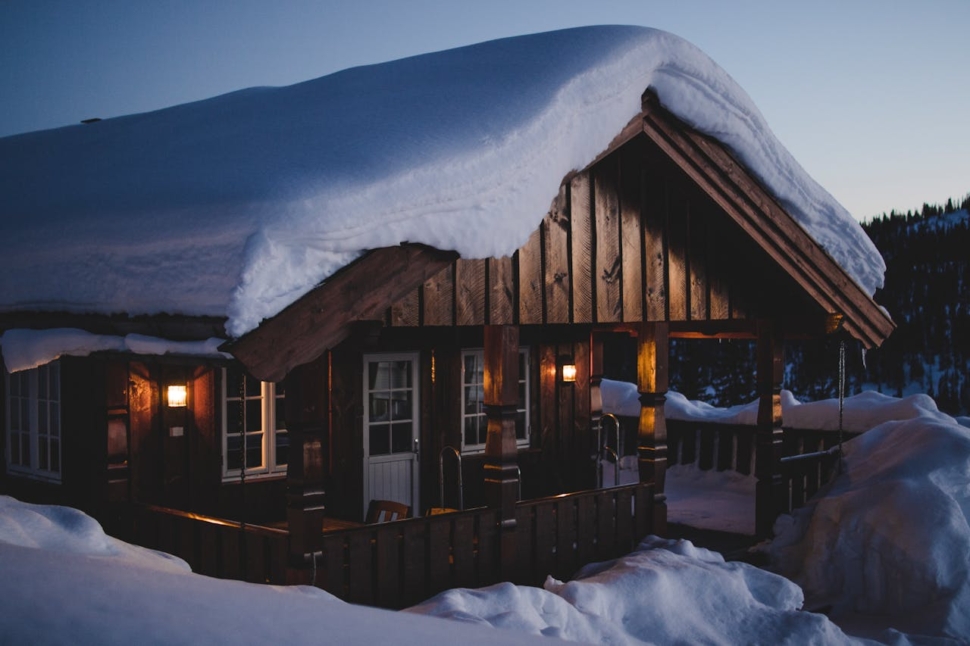
Living through another brutal winter makes you think hard about where your money is going. And when I say money, I mean the kind that literally escapes through your walls, roof & windows while you’re cranking the thermostat just to feel your fingers. Cold climate homes have it rough. The heating bills pile up, the drafts sneak in, and before you know it, you’re wearing three layers indoors wondering if there’s a better way.
There is. Sort of. It requires investment upfront, but the right exterior upgrades can genuinely slash those energy costs. I’m talking real numbers here, not just feel good marketing fluff. Some homeowners see 40% reductions in their whole house energy consumption when they get strategic about it. That’s substantial.
The trick isn’t just picking one upgrade and calling it done. It’s about understanding how these improvements work together, creating what the industry folks call a “thermal envelope.” Sounds fancy, but really it means your house becomes a sealed, efficient system instead of a leaky sieve. If you’re serious about reducing heating costs and maybe even bumping up your property value, working with a qualified roofing contractor and other specialists can set you on the right path from the start.
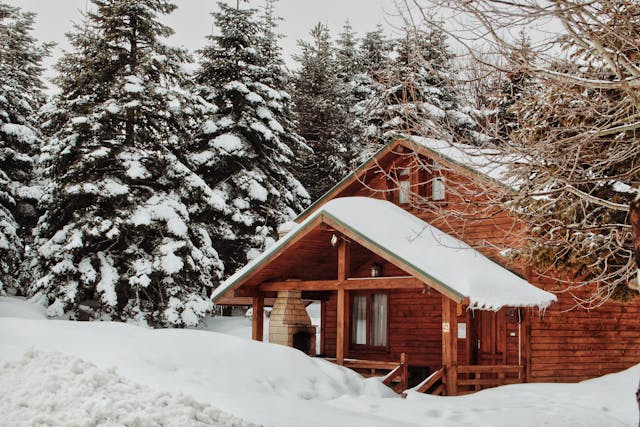
Energy Efficient Roofing Materials Make a Difference
Your roof takes a beating. Snow, ice, wind, and those bizarre temperature swings that happen when the sun comes out for five minutes before disappearing again. But here’s what most people don’t realize: the material on your roof affects how much heat you retain inside during those frigid months.
Metal roofing has become increasingly popular, and for good reason. It’s durable, lasts forever (well, 40 to 70 years), and certain finishes actually help with solar heat retention. Clay tiles work similarly if you can handle the weight and cost. Even asphalt shingles, the most common roofing material, now come with reflective coatings in colours like white, beige & gray that help regulate temperature.
The thing is, people get confused about “cool roofs” versus what actually helps in cold climates. Cool roof technology, promoted heavily in warmer regions, reduces attic temperatures and can cut cooling costs 7 to 15% according to the Cool Roof Rating Council. But wait, you’re thinking, I don’t WANT a cool roof when it’s minus 20 outside. Fair point.
The solution? It depends on your climate specifics. Some areas get brutally cold winters but also scorching summers. In those cases, a balanced approach works. Others might prioritize heat retention over reflection. This is where talking to someone who actually knows your regional weather patterns becomes important.
Insulation Strategy That Actually Works
Insulation is probably the most cost effective upgrade you can make. Like, hands down. A comprehensive insulation strategy can reduce your heating and cooling costs up to 30%. That’s not a small percentage when you’re looking at annual bills.
Blow in attic insulation is relatively inexpensive and provides immediate returns. Attics are notorious heat escape routes. Hot air rises, and if your attic isn’t properly insulated, you’re essentially heating the great outdoors. I’ve seen attics with insulation so thin you could see the joists clearly. Criminal, really.
Exterior wall insulation with high R values takes things further. R value measures thermal resistance, and higher numbers mean better insulation. Spray foam insulation fills every crack and crevice, creating an airtight seal that traditional batt insulation just can’t match. Reflective insulation materials bounce radiant heat back into your living space.
The tricky part? You can’t see insulation working. It’s not like new windows where you immediately feel the difference. The payoff shows up gradually in your utility bills, which makes some homeowners hesitant to invest. But the math doesn’t lie.
Windows That Keep the Cold Out
Single pane windows are basically jokes in cold climates. You might as well have a hole in your wall with a piece of cellophane stretched across it. Double or triple glazed windows with low E coatings and inert gas fillings (usually argon or krypton) create barriers that actually resist heat transfer.
ENERGY STAR certified windows can reduce heating and cooling costs up to 13%. That certification means they’ve been independently tested and meet strict energy efficiency guidelines. Look for low U factors (measures heat transfer) and high Solar Heat Gain Coefficients in cold climates, because you actually WANT the sun’s warmth coming through your windows in winter.
Installation matters as much as the window itself. I’ve seen expensive, high performance windows installed so poorly that gaps around the frame let in drafts that negate half the benefit. Which brings me to the next point.
Sealing and Airtightness Around Everything
Gaps are everywhere. Around windows. Around doors. Where utilities enter your house. At foundation joints. Each tiny gap seems insignificant, but together they add up to the equivalent of leaving a window wide open all winter.
Proper sealing requires attention to detail that borders on obsessive. Weatherstripping, caulking, spray foam for larger gaps. It’s tedious work, but perhaps the cheapest way to improve energy effeciency (see, nobody’s perfect). You can feel the difference immediately when you eliminate those sneaky drafts.
Advanced retrofit strategies now include technologies like Aerobarrier, which seals a building envelope to extremely tight specifications. When combined with heat pump installation, these comprehensive approaches deliver dramatic energy savings. We’re talking about homes that use a fraction of the energy they did before.
Insulated Siding Options Worth Considering
Siding isn’t just cosmetic. Modern insulated siding options add a meaningful layer of thermal protection to your exterior walls. Fiber cement siding is durable and low maintenance. Insulated vinyl siding with foam backing provides actual R value improvement.
The numbers on insulated siding are interesting. It improves airtightness by around 9.5% and provides roughly 8% heating energy savings. Cost runs about $1.43 per square foot, with average annual savings around $170. So you’re looking at several years before you break even, but then it’s pure savings after that, plus you get the aesthetic upgrade.
Is it the most dramatic upgrade? No. But it contributes to that whole system approach.
Smart Ventilation and Solar Powered Solutions
Attics need ventilation even in winter. Sounds counterintuitive, right? But trapped moisture and temperature imbalances cause ice dams, mold & structural damage. Traditional vents work, but solar powered attic vents regulate temperature and humidity using renewable energy without adding to your electric bill.
These units run during the day when the sun’s out, moving air through your attic space and preventing those problem conditions. They’re not terribly expensive and installation is straightforward. I think they’re underutilized honestly.
Alongside electric and solar-powered solutions, propane-powered devices can also contribute to improved energy efficiency in cold climates. High-efficiency propane furnaces, water heaters, fireplaces, and generators deliver reliable heat and power while producing lower emissions than many traditional fuel sources. Because propane systems perform consistently during extreme cold and remain functional during power outages, they are often chosen as dependable primary or supplemental energy solutions. Homeowners who rely on propane for heating or household appliances typically arrange regular fuel supply through local providers such as Kinsman Propane and similar others for Propane delivery, helping ensure uninterrupted performance throughout the winter months.
Skylights serve a different purpose but complement energy strategy in cold climates. They bring in natural light (reducing electric lighting needs) and provide passive solar heating when positioned correctly. South facing skylights capture maximum winter sun. Just make sure you get quality units with proper insulation and sealing, or they become heat loss points.
The Whole System Approach That Changes Everything
Here’s where it gets real. Individual upgrades help. Absolutely. But the SYNERGISTIC effects of combining multiple improvements create something greater than the sum of parts. A properly insulated, sealed, and equipped home with efficient roofing, windows, and mechanical systems operates on a different level entirely.
Think about it. You insulate your attic (keeping heat in), seal all penetrations (eliminating drafts), upgrade to efficient windows (reducing heat transfer), add insulated siding (another thermal barrier), and install proper ventilation (managing moisture without wasting energy). Each upgrade supports the others.
This integrated approach is what gets you to those 40% whole house energy savings that sound too good to be true but aren’t. It requires planning and coordination. You can’t just randomly add improvements and expect optimal results. The sequence matters. Some upgrades should happen together.
For instance, if you’re having your roof replaced anyway, that’s the perfect time to upgrade attic insulation and add solar powered vents. The roof is already torn apart, access is easy, and you’re not paying twice for labor and mobilization costs. Same logic applies when residing your home or replacing windows.
Financial Returns and Environmental Benefits
Let’s talk money. Because that’s ultimately why most people consider these upgrades. The utility bill savings are measurable and consistent. Month after month, year after year, you’re spending less on heating. Those savings compound.
But there’s more to the financial picture. Energy efficient homes command higher resale values. Buyers increasingly prioritize efficiency, and homes with documented upgrades & lower operating costs sell faster and for more money. It’s a tangible return on investment beyond just the utility savings.
Then there’s the environmental angle. Reduced energy consumption means lower carbon emissions, less strain on the grid, and a smaller environmental footprint. Maybe that matters to you, maybe it doesn’t. But it’s worth mentioning that doing what’s financially smart for your household also happens to be better for everyone else.
Final Thoughts
Cold climate living doesn’t have to mean astronomical heating bills and constant discomfort. The exterior upgrades outlined here represent real solutions backed by actual performance data. Not every upgrade will make sense for every home or budget, and that’s fine.
Start with what gives you the best return. For most people, that’s insulation and air sealing. Then layer in other improvements as budget allows. Work with qualified professionals who understand cold climate building science. A knowledgeable roofing contractor, insulation specialist, or energy auditor can assess your specific situation and prioritize improvements that make sense for YOUR home.
The key is thinking long term. These aren’t expenses. They’re investments that pay dividends for as long as you own the home, then increase its value when you sell. And honestly? There’s something deeply satisfying about living in a home that just WORKS efficiently, where you’re comfortable without constantly adjusting the thermostat or watching your bank account drain every winter month.